 Illinois · Written exam
How many signs are on the Illinois permit test?
The Rules of the Road gives no number, 15 or any other. It says you’ll be asked to identify roadway signs on the written exam, by shape, color or symbol, and to identify signals and pavement markings. So study all of chapters 9 and 10.
Sign shapes
Each basic shape has a purpose. Squares and rectangles, the seventh shape, are used for regulatory or guide signs:
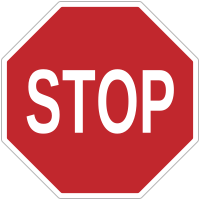 Eight sides: stop
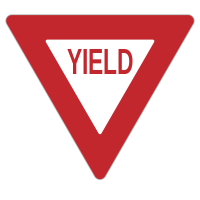 Three-sided, red and white: yield
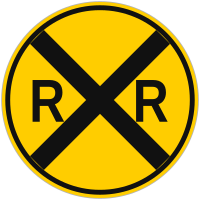 Round: railroad crossing ahead
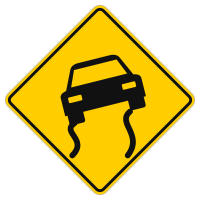 Diamond: warning
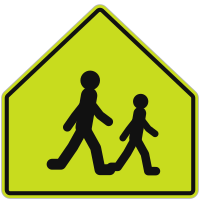 Five sides: school zone or crossing
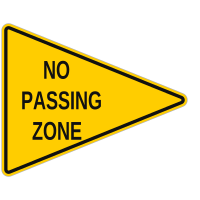 Three-sided and yellow: no passing zone
Sign colors
The handbook asks you to memorize what each color means:
- Red: regulatory signs you must obey, such as stop, yield, do not enter and wrong way
- Black and white: some regulatory signs, and route markers
- Yellow: warning of road conditions and dangers ahead
- Yellow-green: warning of pedestrian and bicycle crossings, playgrounds, school bus stops and school zones
- Orange: warning in construction and maintenance zones
- Green: guide signs for where you are, which way to go and how far
- Blue: guide signs for services along the road
- Brown: parks and recreation
- Pink: unplanned traffic incidents, such as crashes and natural disasters
Regulatory signs
Regulatory signs tell you what to do, and you must obey them.
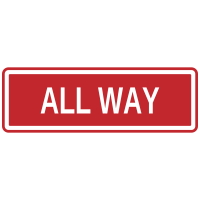 All-way: every approach has a stop sign
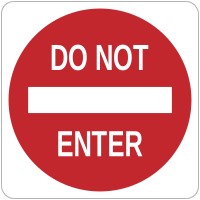 Do not enter
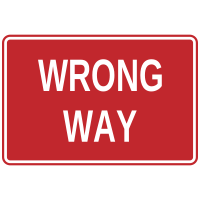 Wrong way: you’re going against traffic
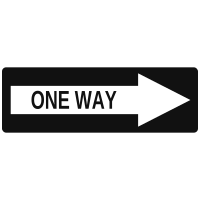 One way: go only in the arrow’s direction
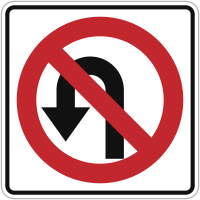 No U-turn
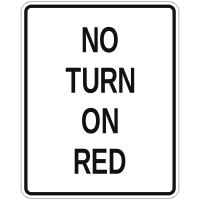 No turn on red
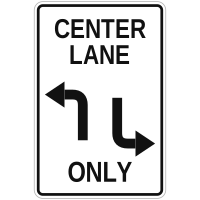 Two-way left turn lane
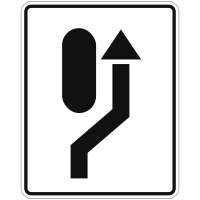 Keep right: pass on the side the arrow shows
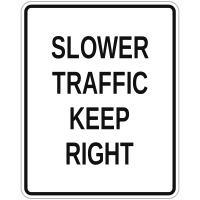 Slower traffic keep right
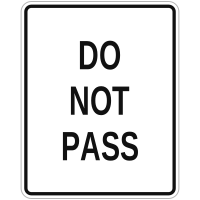 Do not pass
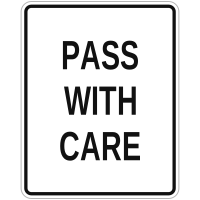 Pass with care: the no-passing zone ends
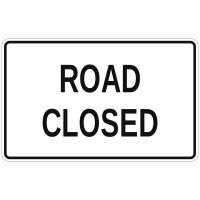 Road closed
Warning signs
Warning signs are usually diamonds and tell you about conditions ahead. When you see one, slow down and take care.
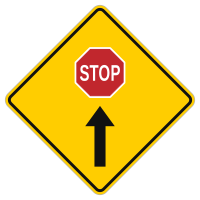 Stop ahead
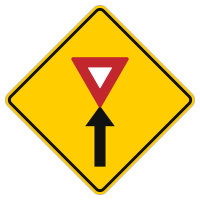 Yield ahead
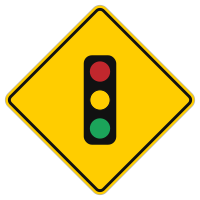 Signal ahead
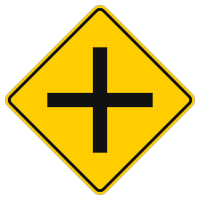 Crossroad
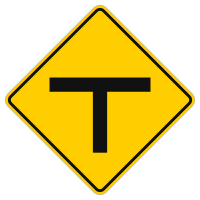 “T” intersection
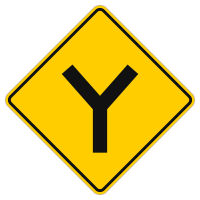 “Y” intersection
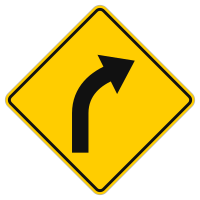 Road curves right
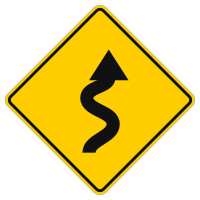 Winding road
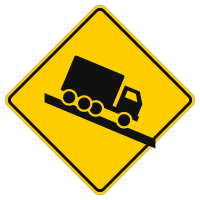 Downgrade: slow before the hill
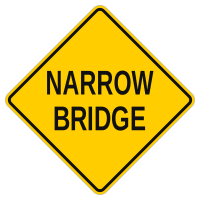 Narrow bridge
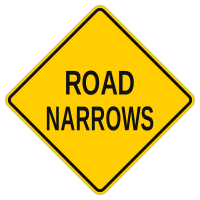 Road narrows
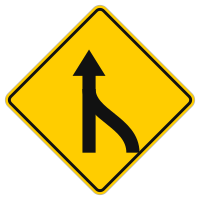 Merging lanes
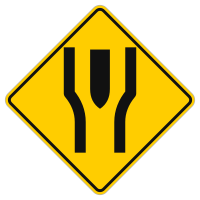 Divided highway begins
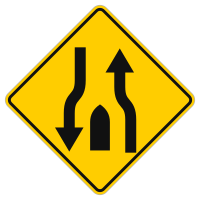 Divided highway ends
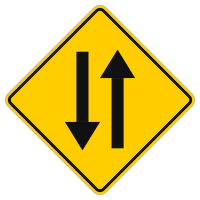 Two-way roadway ahead
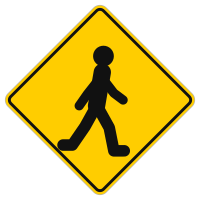 Pedestrian crosswalk
Work zone and special signs
Orange signs mark construction and maintenance zones, where workers may be close to your lane. Slow to the posted work zone limit and keep your distance from barriers.
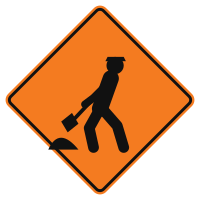 Workers ahead
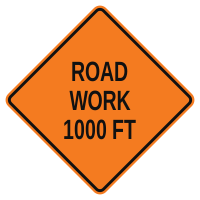 Road work ahead
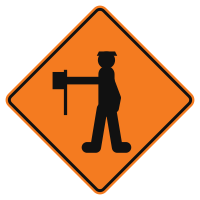 Flagger ahead: stop if signaled
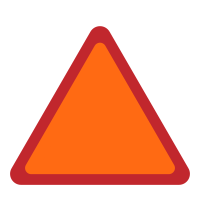 Slow-moving vehicle: slow down, pass only when safe and legal
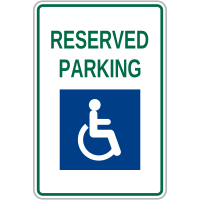 Parking for persons with disabilities
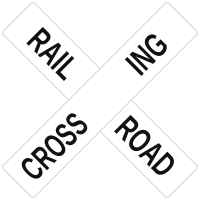 Railroad crossbuck: yield to trains
Check yourself
Chapter 9 ends with study questions on signs, and chapter 10 with questions on signals and markings. Five of the practice test’s questions show a sign or a road marking too.
Sources: Illinois Secretary of State. Checked November 2026.
Rules and fees can change, so check the official site before your test.
Explore
Everything else, in one place
Signs and licenses
Records and help