 Ohio · Knowledge test
Is there an Ohio road signs test?
Not on its own. The knowledge test is 40 multiple-choice questions about motor vehicle regulations and traffic signs, and the BMV doesn’t say what share are about signs. Section 4 of the Digest has the signs. Railroad crossings are in Section 5, and the slow-moving vehicle emblem is in Section 9.
Regulatory and prohibitory signs
Regulatory signs tell you the traffic law. On a prohibitory sign, the red circle with a slash means “no”, so the action shown is not allowed.
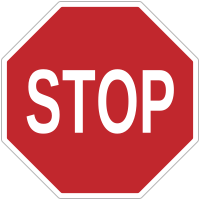 Stop: all traffic in the lane stops
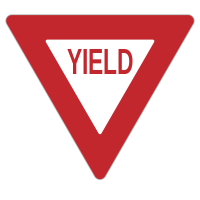 Yield: give way, and stop if traffic is coming
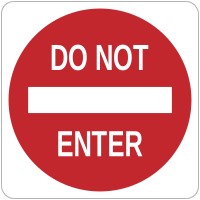 Do not enter: one-way roads and freeway exit ramps
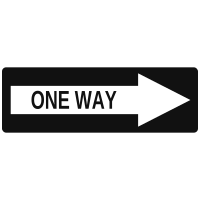 One-way road
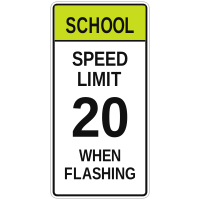 School zone speed limit, during the posted hours
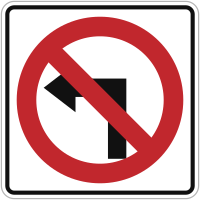 No left turn
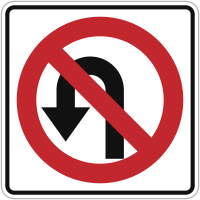 No U-turn
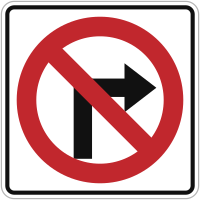 No right turn
Warning signs
Warning signs are usually yellow diamonds with black letters or symbols, and they tell you about possible danger ahead.
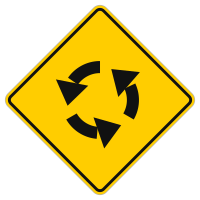 Roundabout ahead
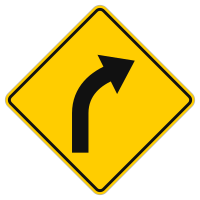 Road curves ahead
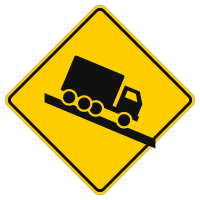 Downhill grade ahead
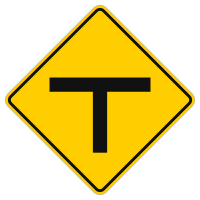 Intersection ahead: turn left or right
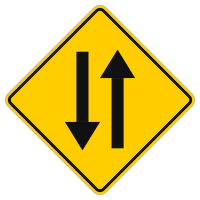 Two-way traffic
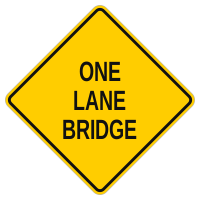 One-lane bridge: the vehicle nearest goes first
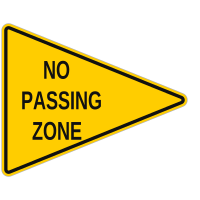 No passing zone starts here
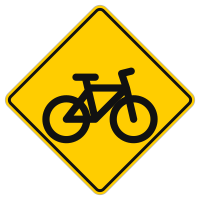 Bicycle crossing
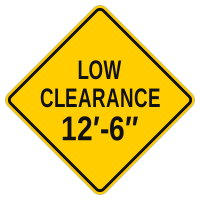 Limited clearance ahead
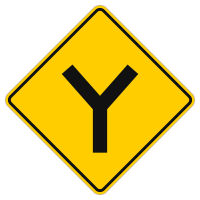 Road branches ahead
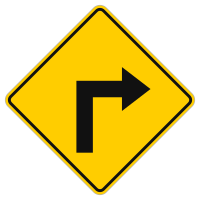 Sharp right turn ahead
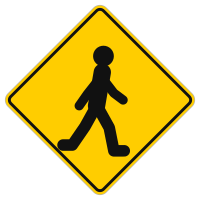 Pedestrian crossing ahead
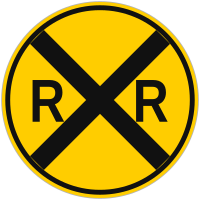 Railroad crossing ahead
Work zones, crossings and slow vehicles
Work zone signs have an orange background. Near one, slow down, follow the signs and any flagger, and watch for workers and equipment.
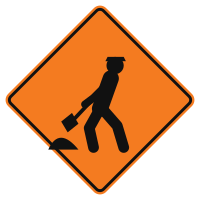 Road workers ahead
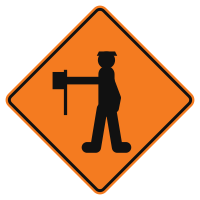 Flagger ahead
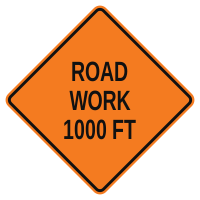 Road work ahead
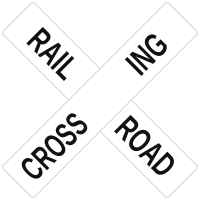 Railroad crossbuck
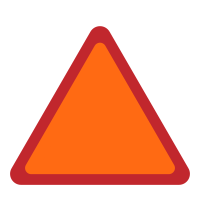 Slow-moving vehicle: under 25 mph
Guide and route signs
Guide signs are square or rectangular, in green, brown or blue. They point out services and places along the highway, give information on crossing roads and direct you to cities and towns. Route number signs show by their shape and color what kind of road you’re on: interstate, U.S., state, city, county or local.
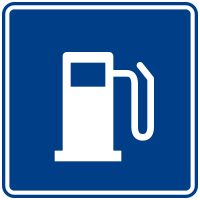 Gas station ahead
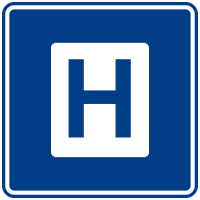 Hospital
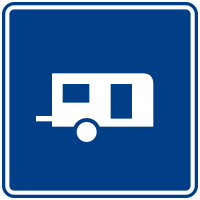 Camping area
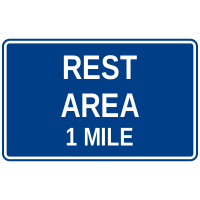 Rest area ahead
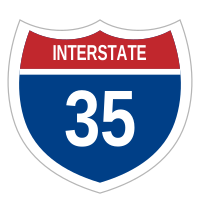 Interstate route
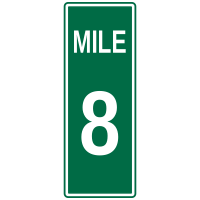 Milepost
Pavement markings
Lines on the road divide lanes, show where you may pass and mark turn lanes. White lines separate traffic going the same way, and yellow lines separate traffic going opposite ways.
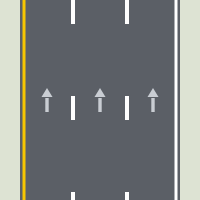 Broken white: lanes going the same way
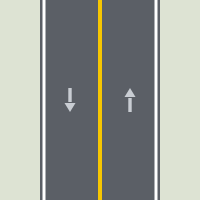 Solid yellow: traffic going opposite ways
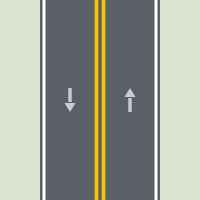 Double solid yellow: don’t drive left of it
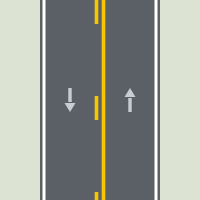 Solid on your side: no passing for you
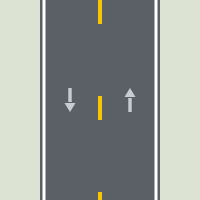 Broken yellow: pass when safe
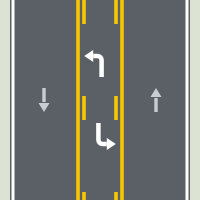 Two-way left turn only lane
Traffic signals
Treat a traffic light that isn’t working as a stop sign: Section 10 calls it a four-way stop.
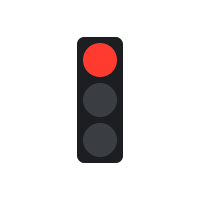 Red: stop before the intersection
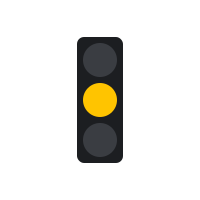 Yellow: about to turn red, prepare to stop
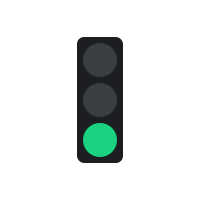 Green: go with caution if the way is clear
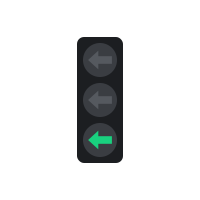 Green arrow: turn without stopping
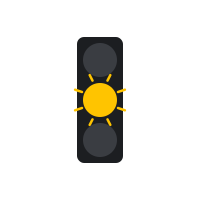 Flashing yellow: slow down, go with caution
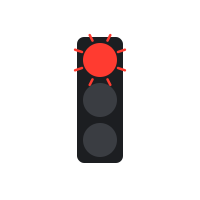 Flashing red: stop completely, then go when clear
Check yourself
Five of the practice test’s questions show a sign or a road marking, and the BMV’s sample test has one on signals too.
Sources: Ohio Department of Public Safety and 2 more. Checked November 2026.
- Ohio Department of Public Safety: Digest of Ohio Motor Vehicle Laws, Section 4, Rules of the Road ↗
- Ohio Department of Public Safety: Digest of Ohio Motor Vehicle Laws, Section 5, Learning to Drive ↗
- Ohio Department of Public Safety: Digest of Ohio Motor Vehicle Laws, Section 9, Sharing the Road ↗
Rules and fees can change, so check the official site before your test.
Explore
Everything else, in one place
Signs and other help
Driving test help
Other licenses