 Georgia · Permit test
How does the Georgia road signs test work?
You take it on a computer at a DDS center, right alongside the Road Rules test. Each test is 20 questions with a pass mark of 15, and you must pass both. If you fail the signs part, you pay the $10 fee again and retest after 1 day, or after 7 days if it's your second fail.
DDS's testing page lists 26 languages for both parts of the exam. Its license FAQ still says the signs test is English only, so if you need it in another language, ask the center before you start.
Regulatory signs: rules you must follow
Regulatory signs are mostly upright rectangles that tell you what you must or must not do. A red circle with a slash means no. The keep right sign matters in Georgia: the 'Slow Poke' law says you must move out of the left lane when faster traffic comes up behind you, whatever your speed.
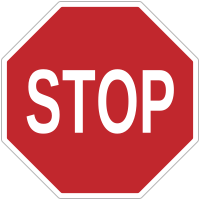 Stop: the only eight-sided sign
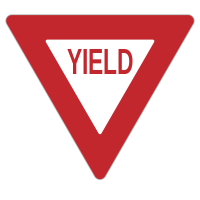 Yield: let traffic in the intersection go first
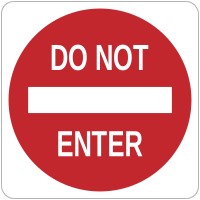 Do not enter this road from here
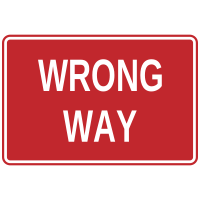 Wrong way: you're facing traffic
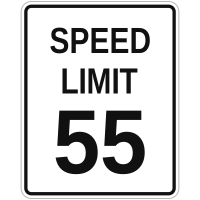 Speed limit in good conditions
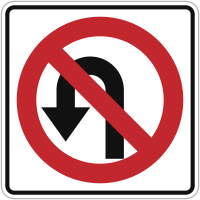 No U-turn
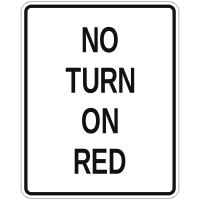 No turn on red, even after a full stop
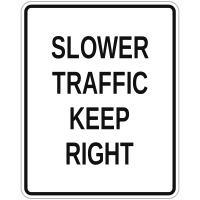 Slower traffic keeps right
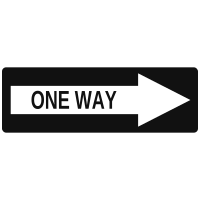 One way: traffic moves only toward the arrow
Warning signs: what's ahead
Warning signs are usually yellow diamonds with black words or symbols. The railroad sign is round instead. For deer, the manual is blunt: never swerve to avoid one. Slow down as much as you can, and expect another to follow.
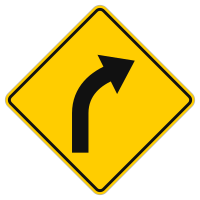 Curve ahead: slow down before it
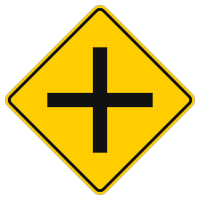 Crossroad ahead
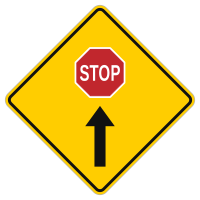 Stop sign ahead
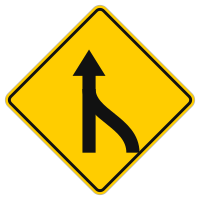 Merging traffic from the side
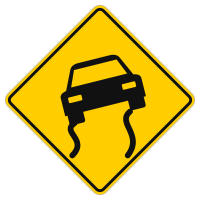 Slippery when wet
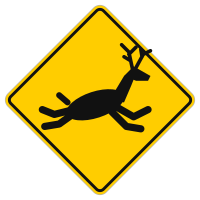 Deer crossing: slow down, never swerve
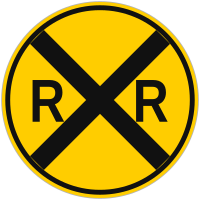 Railroad crossing ahead: the round sign
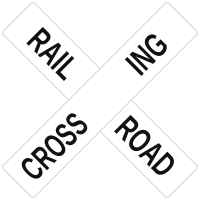 Railroad crossbuck: the tracks are here
School and work zone signs
The five-sided sign marks a school zone or crossing, and the manual says it's placed 150 to 700 feet before the school grounds. Orange means a work zone. Georgia fines for speeding in a work zone run from $100 to $2,000.
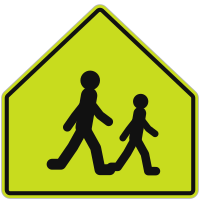 School zone or crossing: five sides
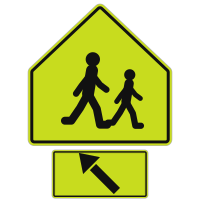 School crossing here
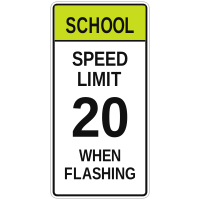 School speed limit when the lights flash
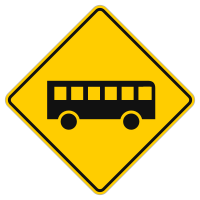 School bus stop ahead
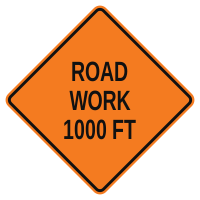 Road work ahead
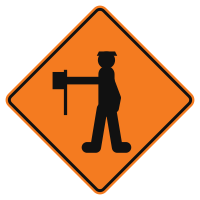 Flagger ahead: do what the flagger says
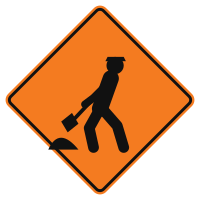 Workers on or near the road
Traffic signals
The flashing yellow arrow is the one people miss. It lets you turn left, but oncoming traffic may have a green light, so you wait for a gap and check for people in the crosswalk.
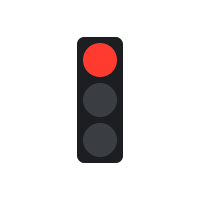 Red: stop before the crosswalk or intersection
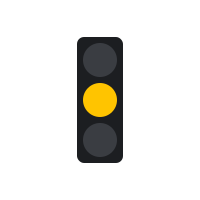 Yellow: the light is about to turn red
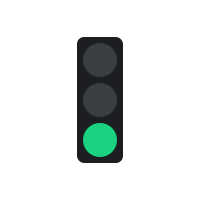 Green: go if it's safe
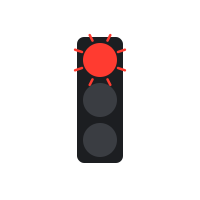 Flashing red: stop, as at a stop sign
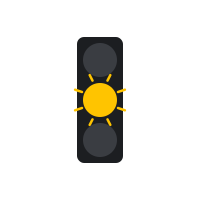 Flashing yellow: slow down and take care
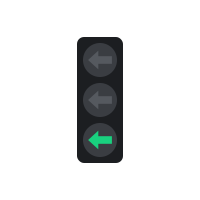 Green arrow: go only the way it points
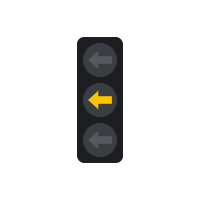 Yellow arrow: clear the intersection
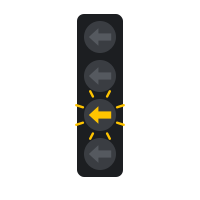 Flashing yellow arrow: turn left after yielding
Lines on the road
Yellow lines separate traffic going opposite ways, and white lines separate lanes going the same way. Georgia law lets you use the shared center lane for one thing only: making a left turn.
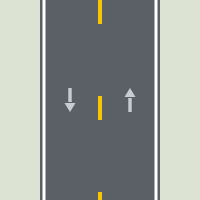 Broken yellow: passing allowed when safe
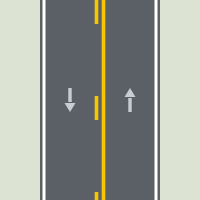 Solid yellow on your side: don't pass
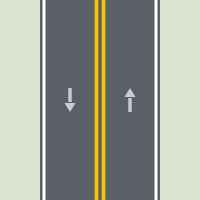 Double solid yellow: no passing either way
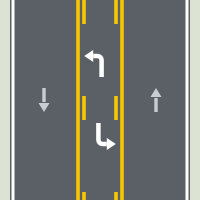 Center turn lane: left turns only
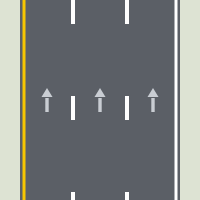 Broken white: lanes going the same way
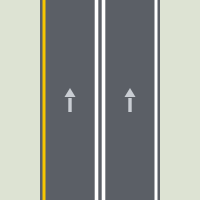 Double solid white: no lane changes
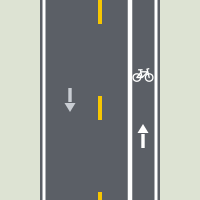 Bike lane: keep out except to cross
Explore
Everything else, in one place
Sources: Georgia DDS Drivers' Manual, Section 7, Georgia DDS and 1 more. Checked October 2026.
- Georgia DDS Drivers' Manual, Section 7: Signs, signals and markings ↗
- Georgia DDS: Test and exams information ↗
- Georgia DDS: License FAQs ↗
Rules and fees can change, so check the official site before your test.